Seamless Reptile Skin Texture Patterns: A Practical Evaluation
In the realm of digital design and print media, texture plays a pivotal role in establishing mood, depth, and realism. Among the various options available, Seamless Reptile Skin Texture Patterns have emerged as a popular choice for designers seeking organic complexity without the need for manual photography or vector illustration. These patterns mimic the intricate scales found on lizards, snakes, and other reptiles, offering a tactile visual quality that can transform flat designs into dynamic compositions. This article evaluates the utility, technical specifications, and practical applications of these textures to help creators determine if they align with their specific project requirements.
Understanding Seamless Reptile Skin Textures
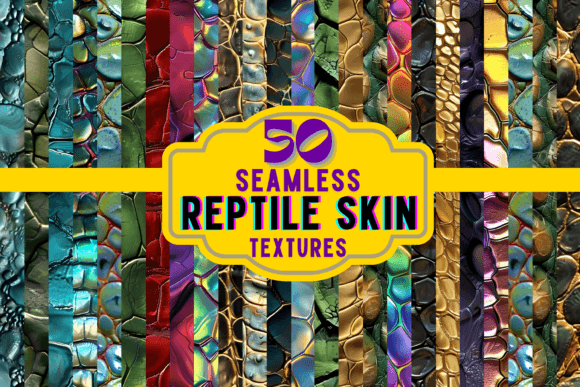
A seamless texture is defined by its ability to tile infinitely without visible breaks or repeating artifacts. When applied to reptile skin, this means the scale patterns align perfectly at the edges, allowing the image to stretch across a large canvas while maintaining the illusion of a continuous surface. Unlike standard photographs which may show the edges of a frame or uneven lighting, seamless patterns are mathematically constructed to loop. The collection of 50 unique patterns referenced in current market offerings typically provides a range of variations, from the smooth, glossy scales of a python to the rough, armored plates of an alligator.
The technical foundation of high-quality versions of these assets usually rests on a resolution of 300 DPI (dots per inch). This standard is critical for print production, ensuring that when the texture is scaled up for physical media, it remains crisp and free of pixelation. In digital formats, such as JPG, these files balance file size with visual fidelity, making them accessible for web use while retaining enough detail for close-up inspection.
Why Designers Seek Reptile Skin Patterns
The interest in reptile skin textures stems from their unique aesthetic properties. Biologically, reptile scales offer a complex interplay of geometry and organic irregularity. For a designer, this translates into a pattern that feels natural yet structured. There are several reasons why a professional might evaluate this specific type of asset:
- Organic Complexity: Geometric shapes can sometimes feel sterile. Reptile textures introduce a level of biological randomness that adds visual interest without overwhelming the layout.
- Thematic Versatility: While often associated with nature or danger, these textures also evoke themes of luxury, durability, and the exotic. They are frequently used in fashion, gaming, and horror genres.
- Efficiency: Creating a realistic reptile texture from scratch requires advanced 3D modeling or high-end macro photography. Using pre-made seamless patterns saves significant time and resources.
- Background Depth: In web design or scrapbooking, a solid color background can appear flat. A subtle reptile texture adds a layer of depth that guides the eye without distracting from the primary content.
Benefits and Technical Considerations
When integrating Seamless Reptile Skin Texture Patterns into a workflow, the primary benefit is consistency. Because the patterns are designed to tile, they provide a uniform look across large surfaces, such as wrapping paper, website backgrounds, or fabric prints. The 300 DPI specification ensures that the output is suitable for professional printing, meeting the standards required by commercial printers for items like business cards, posters, and apparel.
However, there are tradeoffs to consider. High-resolution JPG files, while clear, can result in larger file sizes compared to vector-based patterns. For web design, where load speed is crucial, a 300 DPI image may need to be downscaled or optimized to prevent slowing down page performance. Additionally, while the textures are versatile, they carry a specific "vibe." If a project requires a clean, minimalist, or corporate aesthetic, the aggressive nature of reptile scales might clash with the brand identity unless used very subtly.
Another consideration is color adaptation. While many collections offer a variety of colors, the inherent structure of the scales dictates the light and shadow within the pattern. Changing the hue via software is straightforward, but altering the perceived texture depth requires more advanced editing skills. Users should expect the base patterns to retain their structural integrity regardless of color changes, but the mood will shift significantly based on the palette chosen.
Ideal Use Cases for Reptile Textures
Certain projects are naturally better suited for these textures than others. A strong fit exists in scenarios where tactile realism is desired:
- Print-on-Demand Products: Items like phone cases, t-shirts, and mugs benefit greatly from the detailed nature of reptile skins. The texture mimics leather or exotic materials, adding perceived value to the product.
- Digital Art and Game Assets: Concept artists and game developers often need environmental textures for creatures or terrain. Seamless reptile patterns serve as excellent base layers for creating alien landscapes or monster skins.
- Packaging Design: For products targeting a premium or edgy demographic, such as energy drinks, cosmetics, or tech accessories, these textures can create a distinctive shelf presence.
- Scrapbooking and Card Making: Crafters looking to add a unique background to their layouts can use these patterns to create a sense of adventure or mystery.
When to Consider Alternatives
Despite their versatility, Seamless Reptile Skin Texture Patterns are not a universal solution. There are situations where alternative approaches may yield better results. If a project demands absolute scalability without any loss of quality—such as a logo or a massive billboard—a vector-based pattern would be superior to a raster-based JPG, even at 300 DPI. Vectors allow for infinite scaling, whereas raster images are fixed in resolution.
Furthermore, if the design goal is transparency or overlay effects, a solid texture might be too heavy. In such cases, a simpler noise texture or a hand-drawn brush stroke might integrate more cleanly with text and other graphical elements. Additionally, for brands focused on softness, approachability, or youthfulness, the sharp, angular lines of reptile scales might convey the wrong message. In these instances, floral, geometric, or abstract watercolor patterns could be more appropriate.
Decision-Making Insights
To determine if a collection of 50 reptile skin textures is the right investment for your needs, evaluate your project's end goal against the following criteria:
- Output Medium: Are you printing? If yes, ensure the 300 DPI requirement is met. If you are designing for the web, check if the file sizes are manageable after optimization.
- Brand Alignment: Does the rugged, exotic nature of the texture support your brand voice? Test the pattern with your existing color palette before committing.
- Customization Needs: Do you need to alter the scale size or shape significantly? If so, ensure you have the necessary software skills to manipulate the JPG files without degrading the image quality.
- Budget vs. Time: Weigh the cost of purchasing a high-quality pack against the hours required to photograph or model similar textures yourself. For most professionals, the efficiency of a curated pack offers the best return on investment.
Ultimately, the value of Seamless Reptile Skin Texture Patterns lies in their ability to bridge the gap between digital convenience and organic realism. By understanding their technical limitations and aesthetic strengths, designers can make informed decisions that enhance their work rather than simply decorating it. Whether for a small scrapbook page or a large-scale commercial print run, these textures offer a robust tool for those willing to apply them thoughtfully.